Commercial Pest Control Services in Sussex County for Business Owners
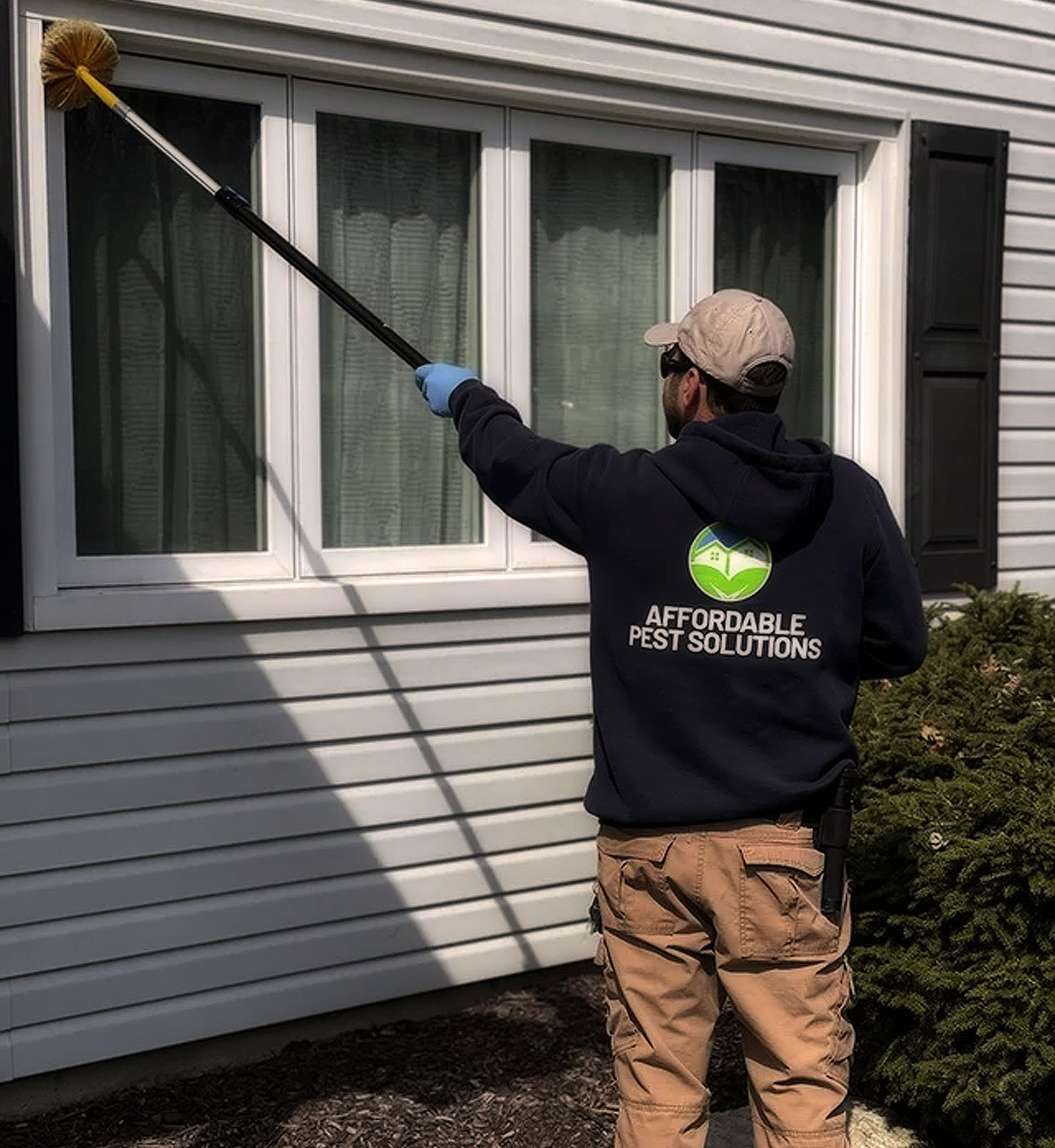

Running a business in Sussex County means paying attention to details that customers never notice when things are going well. Floors look clean. Deliveries arrive on time. Bathrooms are stocked. Staff move through their day without distraction. Pest activity sits in that same category. When control is tight, nobody thinks about it. When it slips, the problem gets expensive fast.
For business owners, pest control is not just a maintenance line item. It is part of risk management, sanitation, reputation, and compliance. A single mouse dropping near dry goods, a trail of ants at the front entrance, or fruit flies gathering behind a bar sink can trigger customer complaints, failed inspections, employee frustration, and lost revenue. In some industries, one unresolved issue can affect vendor relationships, insurance claims, or renewal of local permits.
That is why commercial pest control needs a different standard than what works at a house. A retail shop, warehouse, restaurant, medical office, apartment complex, or manufacturing site has more traffic, more access points, and more complexity. Pest behavior also changes from one property type to the next. The strategy that keeps rodents out of a storage facility is not the same one that controls German cockroaches in a commercial kitchen or stored product pests in a food handling operation.
Business owners looking for Pest Control Services Sussex County often start with one urgent goal, get rid of the immediate problem. That matters, but it is only the first layer. The better question is how to reduce the conditions that let infestations return.
What makes commercial pest control different
Residential service often focuses on comfort and prevention around a single household. Commercial service has to protect operations. That changes the scope immediately. In a business setting, pest control touches health regulations, employee safety, customer experience, documentation, vendor standards, and building maintenance.
A restaurant owner may need treatment timed around prep hours, deliveries, and cleaning schedules. A property manager may need access protocols for multiple units, common areas, trash enclosures, and maintenance rooms. A warehouse manager may care most about loading dock exposure, pallet storage practices, and rodent pressure near exterior walls. In each case, the service plan has to fit how the building is actually used.
The strongest commercial programs are built around inspection and pattern recognition, not just product application. An experienced technician looks for harborage, water sources, food residue, structural gaps, landscaping contact, clutter, and employee habits that support activity. The pest issue you can see is often the result of a condition you cannot. Treating visible insects without addressing floor drain residue, door sweeps, torn screens, or inventory storage habits usually creates a temporary improvement and little else.
Sussex County adds its own local considerations. Seasonal swings matter. Coastal moisture, heavy summer tourism in some areas, older building stock in certain towns, agricultural activity nearby, and mixed-use properties all shape pest pressure. Warm, humid months drive fly and ant activity. Cooler weather pushes rodents indoors. Properties near water or wooded areas may see more seasonal invaders. Food businesses in high-traffic districts deal with constant door openings and a steady flow of deliveries, both of which increase exposure.
The pests that disrupt businesses most often
In commercial settings, the usual suspects show up for predictable reasons. Rodents move in for shelter, warmth, and food. Cockroaches thrive where grease, moisture, and hidden voids support them. Flies breed where organic matter builds up, often in drains, under equipment, or around dumpsters. Ants exploit tiny openings and moisture patterns. Stored product pests become a headache in operations that hold dry goods too long or rotate stock poorly.
Rodents tend to create the widest range of business problems because their presence carries an immediate emotional reaction. Customers do not forget seeing a mouse along a baseboard. Neither do employees. Beyond that, rodents contaminate stock, chew wiring, damage insulation, and move through wall voids where they stay active long before anyone sees them.
Cockroaches are often more difficult from a control standpoint. In commercial kitchens, break rooms, mechanical spaces, and multi-unit properties, they find everything they need in a tight footprint. German cockroaches in particular can spread quickly if sanitation lapses or neighboring spaces are contributing to the pressure. One of the hardest realities for business owners is that the source may not be the area where sightings happen. Roaches travel along utility lines, wall penetrations, and connected units. That is why broad inspection matters more than a surface-level spray.
Flies seem minor until they are not. A few small flies around a service counter can make a clean establishment look careless. Drain flies, fruit flies, and house flies each point to different conditions, and misidentifying them wastes time. I have seen operators replace trash cans, deep clean floors, and change janitorial routines when the actual issue was fermenting residue inside an overlooked drain line. Once the breeding source was corrected, the complaint load dropped within days.
Ants are another example of why commercial work requires patience. Spraying visible trails may scatter the colony or create short-term relief, but if moisture intrusion remains around windows, utility entries, or slab edges, the pressure returns. In office settings, ants often appear first in break rooms and copy areas where small spills go unnoticed. In hospitality and healthcare settings, they can move along predictable moisture routes and become a recurring nuisance unless the structural side is addressed.
Why business owners should care before there is a visible problem
A lot of owners call only after staff start seeing activity. That is understandable. Pest control is easy to postpone when everything seems fine. The problem is that by the time a pest becomes visible in daylight or customer areas, the infestation has often matured.
Rodents leave clues well before they are seen. So do cockroaches. Flies almost always indicate a breeding source that has been active long enough to matter. Waiting for visible evidence usually means the response will take more time, require more corrective work, and cost more than a preventive program would have.
The financial impact is not limited to the service call. There is also labor spent pulling equipment, discarding affected goods, deep cleaning storage areas, rescheduling inspections, fielding customer complaints, and calming anxious staff. For some businesses, one negative online review mentioning pests can do more damage than the treatment invoice ever will.
Preventive service also gives owners documentation. If you operate in food service, hospitality, healthcare, property management, or any setting where inspections matter, records count. Being able to show an established service history, monitoring activity, corrective recommendations, and follow-up visits helps demonstrate that pest management is being handled responsibly.
Choosing the right service model for your property
Not every business needs the same frequency or intensity of service. A small professional office with limited food exposure may need a lighter preventive schedule than a busy restaurant, grocery operation, or apartment community. The right plan depends on the building, the industry, the season, and the consequences of failure.
A good provider will resist the urge to oversimplify. If someone quotes a one-size-fits-all commercial program without asking about trash handling, deliveries, operating hours, floor drains, neighboring tenants, or structural issues, that is a warning sign. Commercial pest control works best when the service matches the environment.
Here are the signs that a service plan is being built thoughtfully:
- The inspection goes beyond customer-facing areas and includes utility rooms, storage spaces, exterior conditions, and hidden access points.
- The provider explains what pests are present, why they are active, and what conditions are supporting them.
- The plan includes monitoring, sanitation or exclusion recommendations, and follow-up, not just treatment.
- Service timing reflects your business hours, employee flow, and customer exposure.
- Reporting is clear enough that a manager can act on recommendations without guessing.
That kind of structure creates accountability on both sides. The pest control company handles monitoring, treatment, and trend recognition. The business addresses housekeeping, maintenance, and operational changes that support the result. When either side treats the relationship casually, recurring pest issues are almost guaranteed.
Industry-specific concerns in Sussex County
Restaurants and food businesses carry the highest visibility risk. Health inspections, online reviews, and constant food handling leave little margin for error. The challenge is that food service environments naturally create heat, moisture, grease, crumbs, spills, and hiding spots. Equipment legs, wall voids, bar mats, soda lines, floor drains, and dumpsters all deserve regular attention. If pest control is not paired with disciplined closing procedures, activity creeps back in.
Hotels, inns, and short-term lodging properties face a different pressure. Guests notice everything, and complaints spread quickly. Rodents in utility spaces, ants in bathrooms, flies near breakfast areas, and occasional bed bug concerns each require a separate response protocol. Hospitality managers usually benefit from a provider who understands how to inspect discreetly, document carefully, and avoid disrupting occupied rooms.
Office buildings often underestimate their exposure. Break rooms, janitorial closets, vending areas, and exterior door thresholds can support persistent ant and rodent issues. Multi-tenant office properties bring another complication, one suite can undermine the sanitation standards of the whole building. Property managers who only react to tenant complaints often end up chasing the same problems from floor to floor.
Warehouses and industrial facilities need a strong exterior defense. Open bay doors, dock plates, stored inventory, and long perimeters make exclusion essential. In these settings, managers often focus on interior sightings when the bigger opportunity is outside, sealing gaps, improving vegetation clearance, upgrading door sweeps, and tightening waste handling around the building envelope.
Healthcare and senior living properties require even more care. The expectation for cleanliness is higher, the resident population may be more vulnerable, and treatment decisions need to respect sensitive environments. A provider working in these settings should understand access control, documentation, communication with facility leadership, and the importance of low-disruption service methods.
Apartment communities and mixed-use properties bring one of the toughest pest control challenges in Sussex County because the environment is shared. One neglected unit, one overloaded trash room, or one plumbing leak can affect multiple residents. In these properties, success depends as much on coordination and resident cooperation as it does on treatment. Managers who invest in communication, access compliance, and maintenance response usually see far better outcomes.
What prevention looks like in practice
The word prevention gets used loosely, but in commercial pest control it should mean practical changes that reduce access, food, water, and shelter. It is not abstract. It is measurable.
A restaurant that starts storing mops dry, cleaning floor drains consistently, rotating stock tighter, and keeping exterior doors from propping open will often see a dramatic drop in pest pressure. A warehouse that replaces damaged sweeps, reorganizes pallet spacing, trims vegetation away from the wall line, and monitors dock areas can reduce rodent activity before baiting does most of the work. A property manager who repairs leaks quickly and enforces trash protocols will usually control recurring insect complaints more effectively than repeated broad treatments alone.
One Sussex County retail operator I worked with years ago had a recurring mouse issue every fall. The staff swore the problem was random because the interior looked clean. The actual driver was simple, nightly delivery procedures left a rear door cracked for ventilation while inventory was staged. Add a worn sweep and a cluttered stock area, and the building was practically inviting rodents in. Once the door policy changed, the sweep was replaced, and the stock room was reorganized, activity dropped sharply. The service program still mattered, but the real fix came from operations.
That is a common pattern. The best Pest Control Services Sussex County providers do not just treat symptoms. They help business owners identify operational habits that quietly sustain infestations.
Questions worth asking before signing a contract
Commercial agreements vary more than many owners expect. Frequency, scope, exclusions, emergency response, reporting, and follow-up can differ significantly from one provider to another. Cost matters, but value is usually found in clarity.
Ask how inspections are documented. Ask who will service the account and whether the same technician will return consistently. Ask what is included in routine visits versus specialty work. Ask how urgent callbacks are handled. Ask whether the provider makes structural and sanitation recommendations in writing. That last point is especially important because memory fades, staff turnover happens, and verbal recommendations are easy to lose.
It is also smart to ask how the company approaches integrated pest management. A professional answer should include monitoring, exclusion, sanitation, identification, trend analysis, and targeted treatment. If the explanation starts and ends with spraying, keep looking.
The role of staff in a successful pest control program
Even the strongest provider cannot protect a property if employees work against the plan. Staff do not need technical training, but they do need awareness. They should know what to report, how quickly to report it, and which daily habits matter most.
A short internal protocol usually makes a real difference:
- Report sightings immediately, with time and location, instead of waiting to see if it happens again.
- Clean food and drink residue the same day, especially in break rooms, under equipment, and near drains.
- Keep storage off the floor when possible and avoid packing inventory tightly against walls.
- Do not prop exterior doors open longer than necessary.
- Escalate leaks, moisture buildup, and damaged door seals as maintenance issues, not cosmetic ones.
This kind of cooperation gives the pest control provider useful information and reduces the delay between activity and response. In many businesses, the frontline staff are the first people to notice a pattern. If they know what matters, they become part of the early warning system.
Cost, value, and the trap of buying on price alone
Business owners naturally compare quotes. The problem is that commercial pest control proposals do not always describe the same work. One lower number may reflect shorter visits, less thorough inspections, weak documentation, limited follow-up, or a reactive service model that leaves prevention mostly on paper.
The better way to compare is to ask what each program is designed to prevent and how it handles recurrence. A more expensive service that reduces callbacks, protects inspections, and catches structural issues early may save money over the year. A cheaper program that looks fine on an invoice but misses recurring rodent entry points can cost far more once product loss, labor, and reputation damage are counted.
There is also a trade-off between service frequency and internal discipline. A business with excellent sanitation, responsive maintenance, and strong management oversight may maintain control with a lighter schedule than a similar property with inconsistent housekeeping and frequent turnover. Honest providers usually recognize that difference and price accordingly.
When emergency service is warranted
Not every pest sighting is an emergency, but some are. A rodent in a food prep area, cockroaches in a healthcare setting, heavy fly activity in customer-facing service zones, or a sudden spike in pest complaints from tenants or guests should move quickly. In these cases, speed matters not only for control but for confidence. Staff and customers can tell when management is organized and decisive.
Emergency response should still be informed, not frantic. The goal is to identify the pest correctly, contain immediate risk, and begin corrective action without making the problem harder to solve. Overapplication, poorly timed treatment, or random product use by staff can interfere with a proper commercial program.
Building a long-term relationship with a provider
The best commercial pest control relationships are not dramatic. They are steady, observant, and boring in the best possible way. The technician learns the property. Management receives clear reports. Small issues are corrected early. Seasonal pressure is anticipated. Customer complaints stay rare.
That kind of relationship has practical advantages. A provider who knows your building can spot subtle changes, a new rub mark along a wall, fresh gnawing near a dock door, Pest Control Services Sussex County fly pressure rising around a drain bank, ant movement after landscaping changes. Those details are easy to miss when service is inconsistent or constantly handed to new technicians.
For Sussex County business owners, that continuity matters. Local conditions shift through the year, and every property has its own weak points. Commercial pest control works best when someone is paying attention before those weak points become visible failures.
Reliable Pest Control Services Sussex County should do more than respond when something goes wrong. They should help business owners understand where risk starts, how operations influence pest pressure, and what practical steps keep a property protected month after month. That is what separates a true commercial service partner from a company that simply shows up with a spray can and a clipboard.
Affordable Pest Solutions LLC
Based in Budd Lake, New Jersey 07828
Service area: Sussex County, Morris County, and Warren County, New Jersey
+1 973-229-9547
FAQ About Pest Control Services Sussex County
What is included in a pest control service in NJ?
A visit generally starts with an inspection to identify the pest and assess activity, access points, and contributing conditions. The proposed service may include treatment, monitoring, exclusion recommendations, and follow-up. Ask which pests and areas are covered by the written quote.
How much does a pest controller charge in NJ?
Pricing depends on the pest, property size, severity of activity, and work required. A single treatment and an ongoing plan can have different costs and coverage. Request an inspection-based estimate that explains the included work, follow-up fees, and warranty terms.
How to prepare my home for pest control?
Ask for instructions specific to the planned service. The technician may need access to inspection areas and may ask you to move belongings or protect food and dishes. Mention pets, aquariums, and any household concerns beforehand. Follow the product label and the technician's instructions about leaving and re-entering treated areas.